What is radon gas? Is it harmful?
Is radon really bad for you?
Breathing radon over time increases your risk of lung cancer. Radon is the second leading cause of lung cancer in the United States. Nationally, the EPA estimates that about 21,000 people die each year from radon-related lung cancer. Only smoking causes more lung cancer deaths.
Therefore, every home must benefit from radon testing, which is easy, affordable, as well as lifesaving, the organization states. Some granite countertops may reveal people to different degrees of radon.
The systems can also keep out other soil gases like, methane, trichloroethylene, chlorine, negative smells and also water vapors. Having a house with a radon mitigation system in place and keeping the degrees reduced will certainly help in reducing lung cancer cells threat. There is anxiety circulating regarding the risk of lung cancer as a result of breathed in radon gas, as an outcome of the widespread promotion provided to researches that link lung cancer cells occurrence to radon focus utilizing a "direct no-threshold" (LNT) version. This version which lots of scientists claim is unwarranted as well as should be scrapped forecasts an alarming unwanted of cancers cells, also at low radon degrees.
Is radon mitigation really necessary?

When radon gas enters the body, it exposes the lungs to small amounts of radiation. In small quantities, experts say this is harmless. However, in persistent exposures or larger quantities, radon can damage the cells of the lining of the lungs, increasing a person's chance of developing lung cancer.
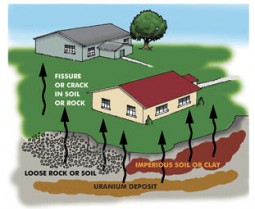
It can likewise be released from building products or through water stemming from radon-contaminated wells, according to the National Institutes of Health And Wellness (NIH). Radon degrees can be higher in residences and also buildings that are well-insulated, snugly sealed or built on soil rich in the radioactive aspects uranium, radium and thorium.
- Lung cancer risk increases 16% per 2.7 pCi/L rise in radon direct exposure.
- Radon gas is a naturally-occurring result of the radioactive decay of Uranium in the dirt.
- Depending on your geographic place, the radon degrees of the air you breathe beyond your home might be as high as 0.75 pCi/L.
- The US EPA has actually placed it clearly, specifying, "Any radon direct exposure has some danger of triggering lung cancer.
How do you eliminate radon?
Possible symptoms include shortness of breath (difficulty breathing), a new or worsening cough, pain or tightness in the chest, hoarseness, or trouble swallowing. If you smoke and you know you've been exposed to high levels of radon, it's very important to quit smoking.
Individuals who smoke or made use of to smoke have an even better chance of creating lung cancer if they are exposed to radon. You might only consider what you're exposed to outdoors when you assume concerning air pollution. But indoor air top quality in your home issues, also, and it can be majorly impacted by the presence of a contaminated gas called radon. This gas can develop to unsafe degrees as well as enhance your threat for creating lung cancer cells-- also if you do not smoke, according to the American Lung Organization.
While any degree of radon can have an impact, the EPA says analyses listed below 2 pCi/L is thought about regular as well as just carries a reasonably small raised risk of lung cancer. It's often tough however feasible to decrease radon gas direct exposure below these levels. Radon Act 51 passed by Congress set the natural outside level of radon gas (0.4 pCi/L) as the target radon degree for interior radon degrees. http://fernandodkfb290.image-perth.org/radon-overview The United States EPA was entrusted with setting practical guidelines and suggestions for the country. At or above this level of radon, the EPA advises you takecorrective procedures to reduce your exposure to radon gas.
How long does it take for radon to cause cancer?
Fact: You will reduce your risk of lung cancer when you reduce radon levels, even if you've lived with an elevated radon level for a long time. Keep in mind that radon levels below 4 pCi/L still pose some risk and that radon levels can be reduced to 2 pCi/L or below in most homes.